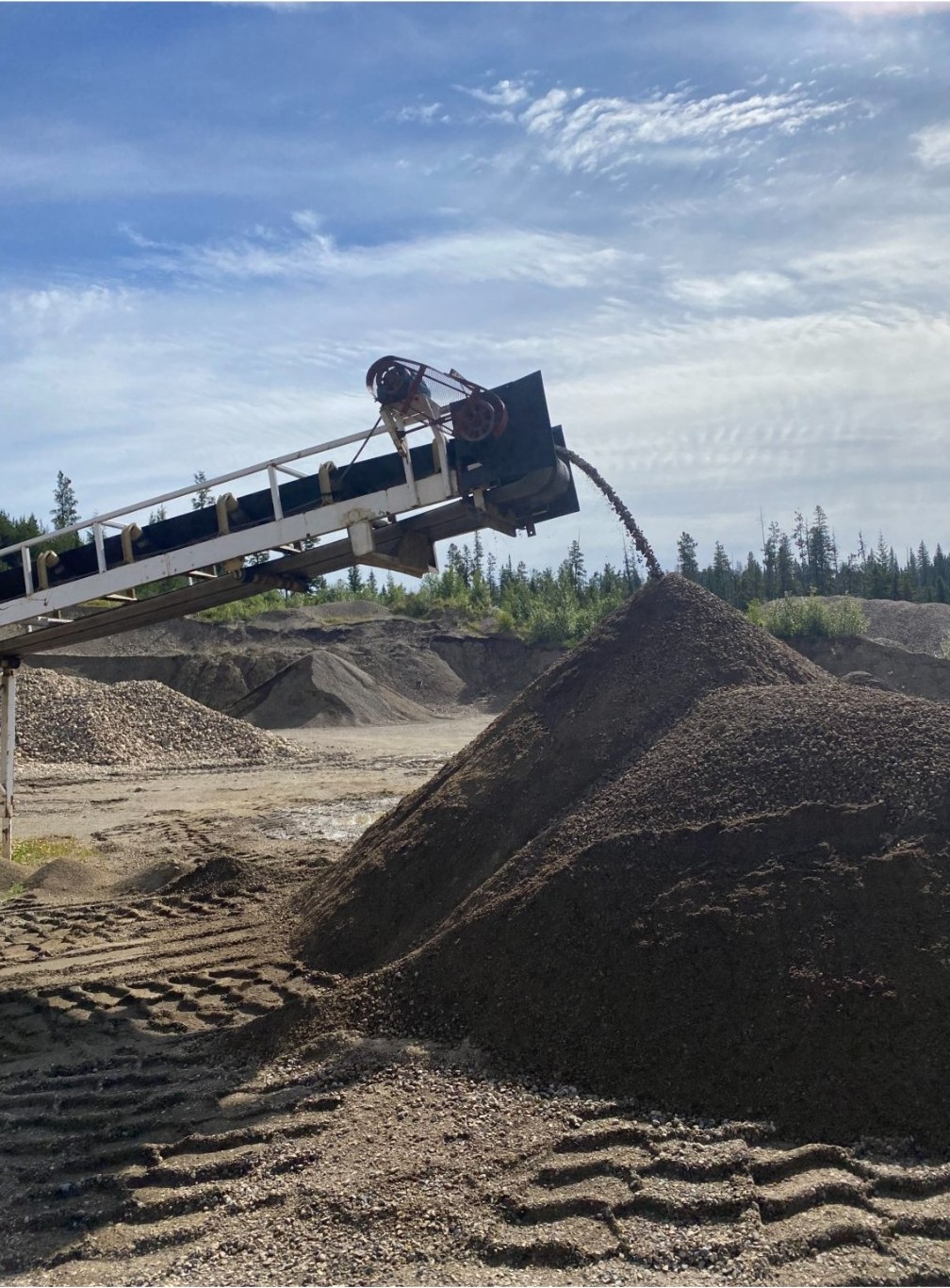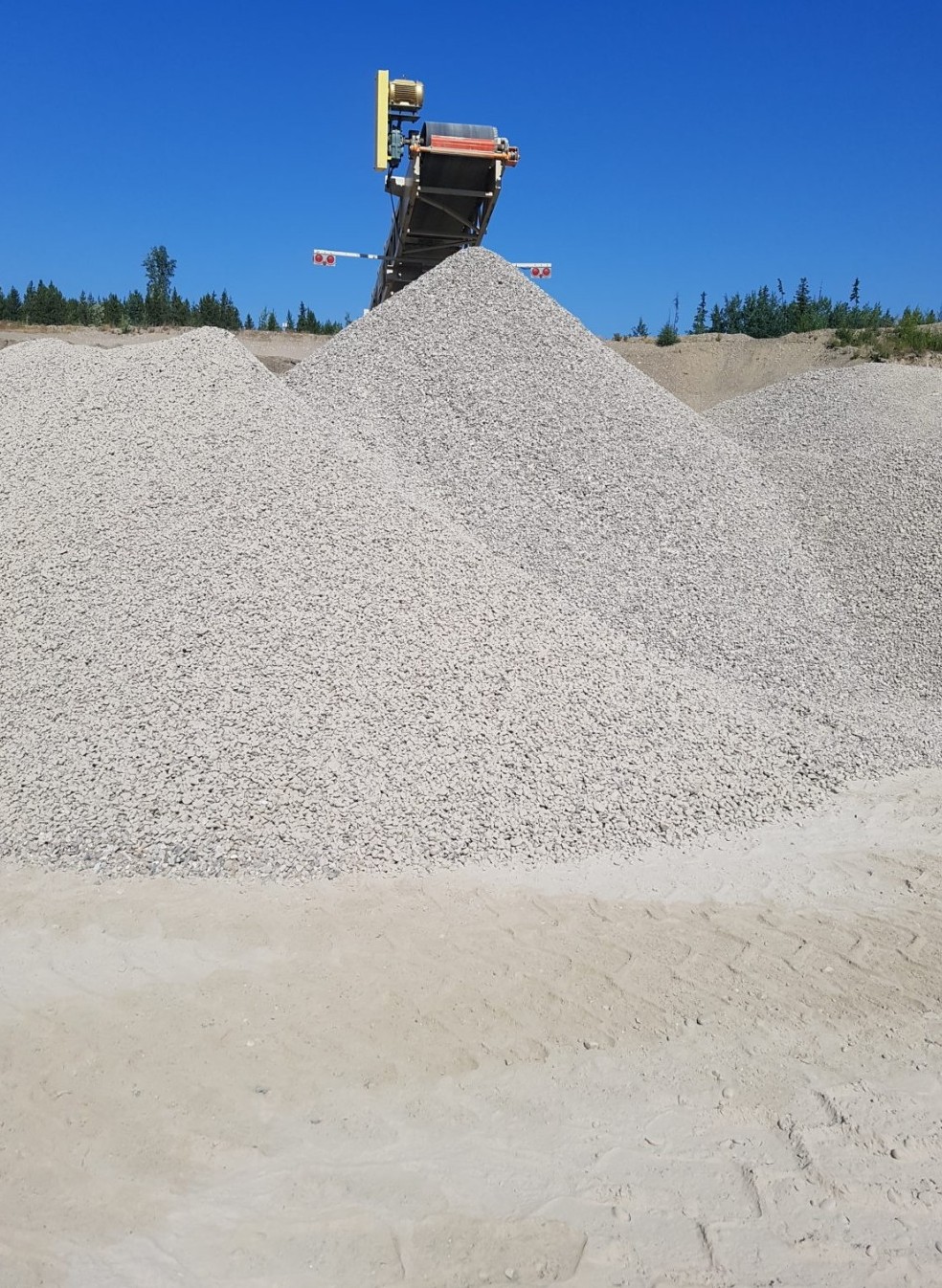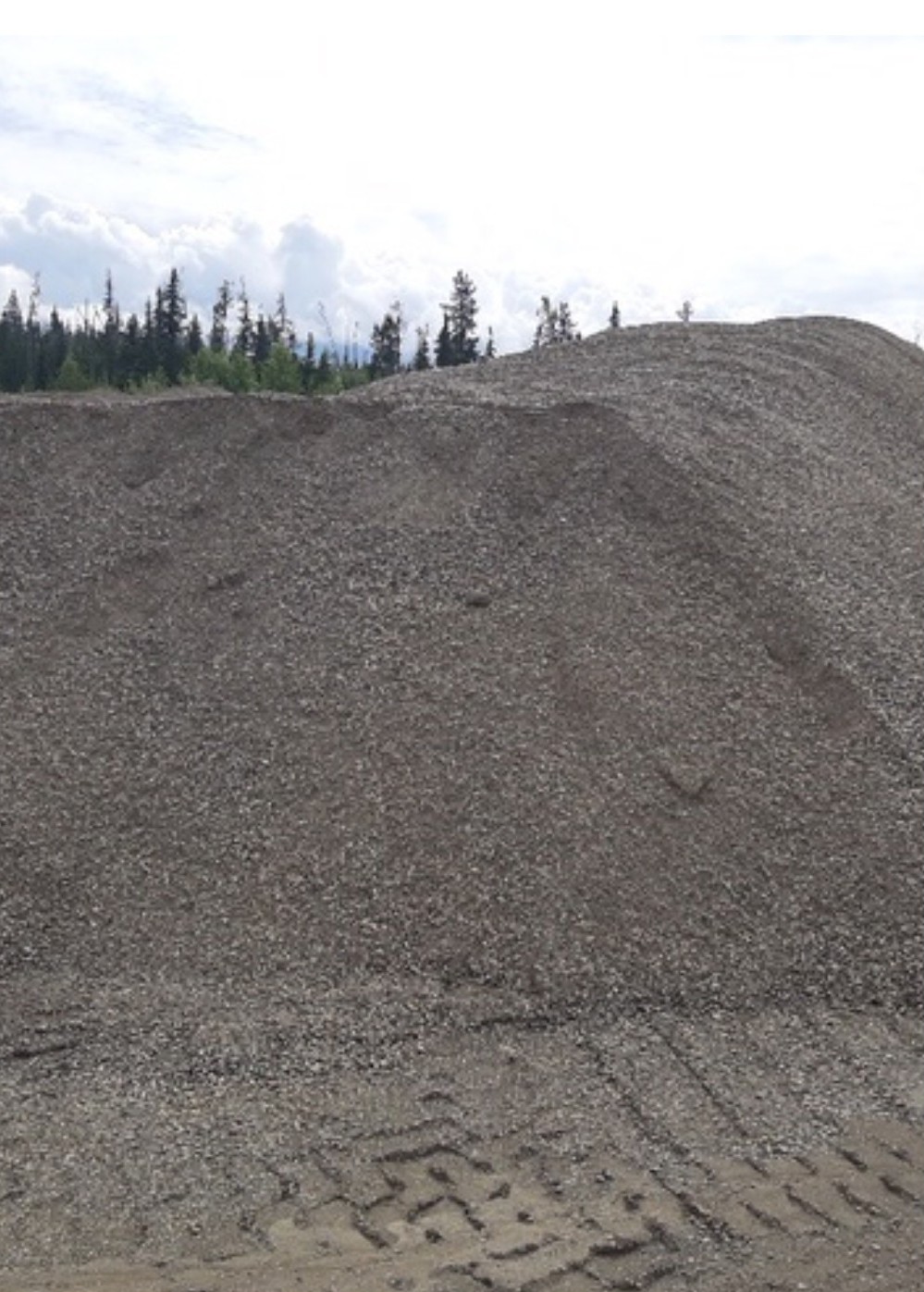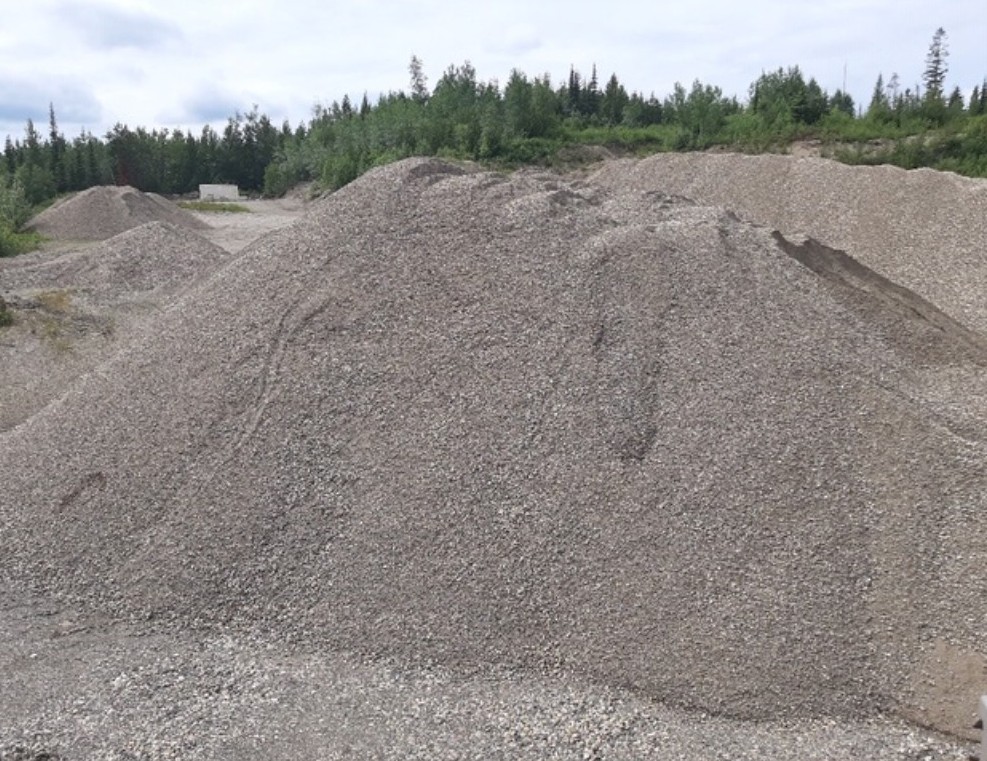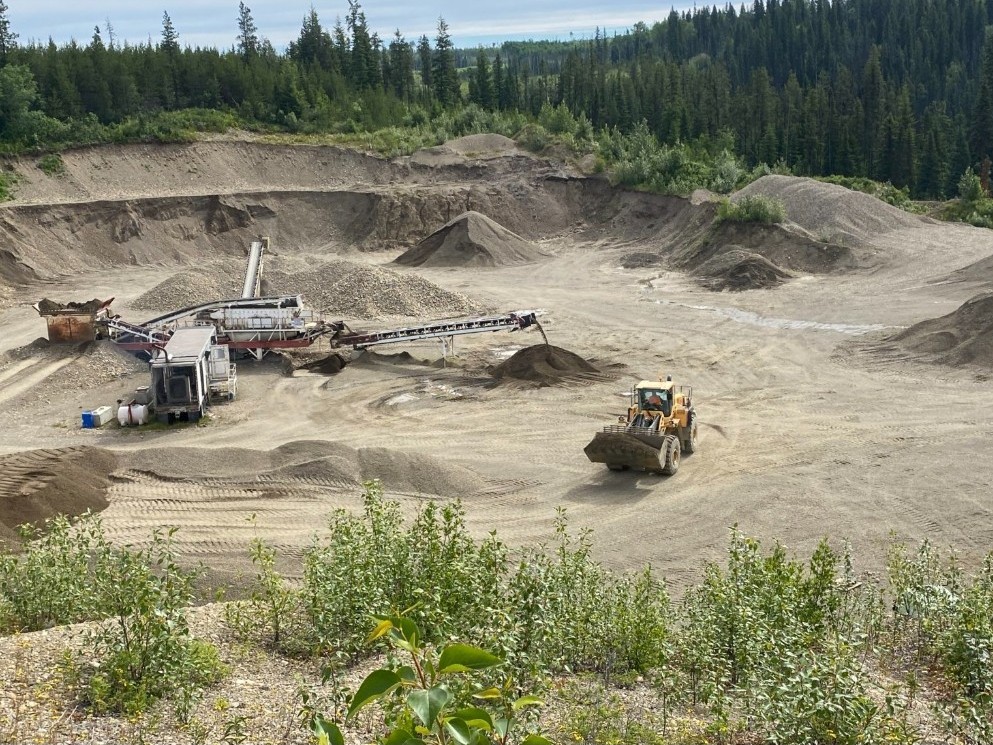
The material in our pit didn't form here. It traveled here from north of Stuart Lake during the Wisconsin Glaciation period, carried by the Cordilleran Ice Sheet.
The glacier moved south and eventually stalled in the hills south of Prince George. When it stopped moving, all that material it had been carrying got deposited in one place. That's our pit.
Because it stopped here — rather than being ground up and mixed with local material — the rock retained its glacial properties. It's harder, denser, and completely clay-free. Clay causes frost heave and instability in road base. Our rock doesn't have it.
The glacier was almost 65 feet deep at this location, which is why our pit runs 65 feet deep before the rock quality changes. That depth gives us years of consistent, specification-grade material.
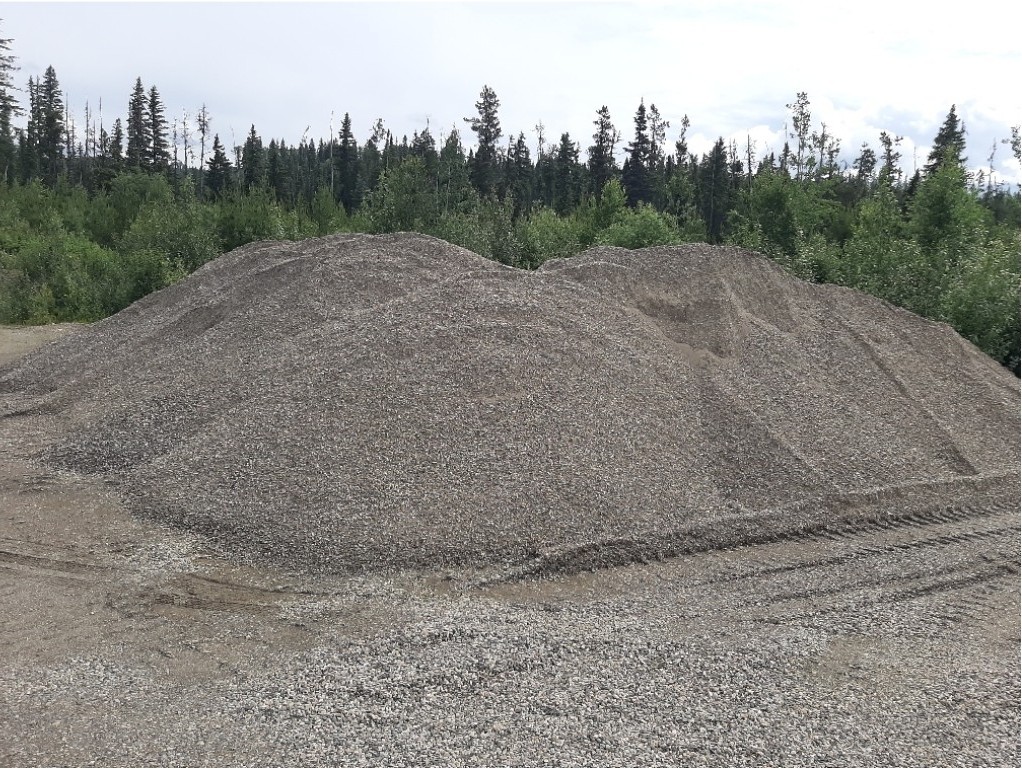
Clay absorbs water. When temperatures drop, that water expands and shifts everything above it. In driveways and roads, that means frost heave. Our aggregate doesn't contain clay, which means it drains freely and stays where you put it — season after season.
Zero clay means no water retention in the aggregate layer. Frost heave risk is dramatically reduced compared to clay-bearing fill.
Glacially transported rock is harder than locally-formed material. It holds angular edges longer under traffic, which keeps gravel surfaces tighter.
The rock quality is what allows our applicable products to meet BCMoT and City of Prince George specification. It's not just a claim — it's the geology.
Two pieces of heavy loading equipment run the pit. Both are production-grade, maintained, and capable of keeping up with commercial fleet demand. The 80-foot platform scale sits at the gate — every load is weighed on the way out.


Call us or request a quote. We'll help you find the right material.